What Is It?
The Brain Collective was the first to implement the SSP ( Safe & Sound Protocol) in the UK. The SSP is an easy, safe and effective way of regulating a nervous system. It’s a sound-based (auditory) intervention, developed by Dr. Stephen Progres based on his Polyvagal Theory.
At The Brain Collective we have five fully qualified trained therapists to assist you with the SSP in clinic or remotely.
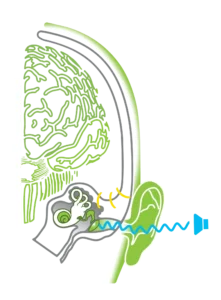
The SSP is an acoustic vagus nerve stimulator. The purpose of this auditory intervention is to help you access a physiological state conducive to a well-being positive engagement with others and growth in learning and therapy.
By helping to access this calm and grounded state, the SSP promotes a neural platform for health, growth and restoration.
Our Packages include:
- In clinic supported training with therapist and delivery of the CORE programme.
- Zoom remote guided treatment supporting the delivery of the CORE programme.
- Remote self delivery of CORE with co-regulation and access to therapist.
The SSP is a time effective way of regulating the Autonomic Nervous System from toddler to senior citizen.

The Science
What Is Safe and Sound Protocol?
The Safe and Sound Protocol involves listening to electronically altered music through over the ear headphones.
There are three potential components of the pathway that we can use – SSP connect, SSP Core and SSP Balance. On consultation we identify the appropriate pathway and how best to deliver it.
There are playlists created for both adults and children including popular musical tracks.
Individuals sit quietly listening to the music or undertake a relaxing task like colouring.
Children and adults alike must be accompanied by another person with whom they feel safe and secure for the duration of the listening session. This is critical to activate and reinforce the social engagement system for optimal impact in rebalancing the autonomic nervous system.
Who Can Benefit?
It helps us engage and stay in Social Engagement mode – a nervous system response mechanism which promotes healthy emotional interactions and a feeling of safety and well-being. Its job is (literally) to calm our gut instinct and to help us be more attuned to positive cues from our environment rather than negative.