Twenty years ago, this neurodevelopmental disorder was much lesser known, or understood for that matter, but with numbers on the rise, in 2026 it’s a very different picture as concerned individuals frantically seek clarity and support for themselves or their children.
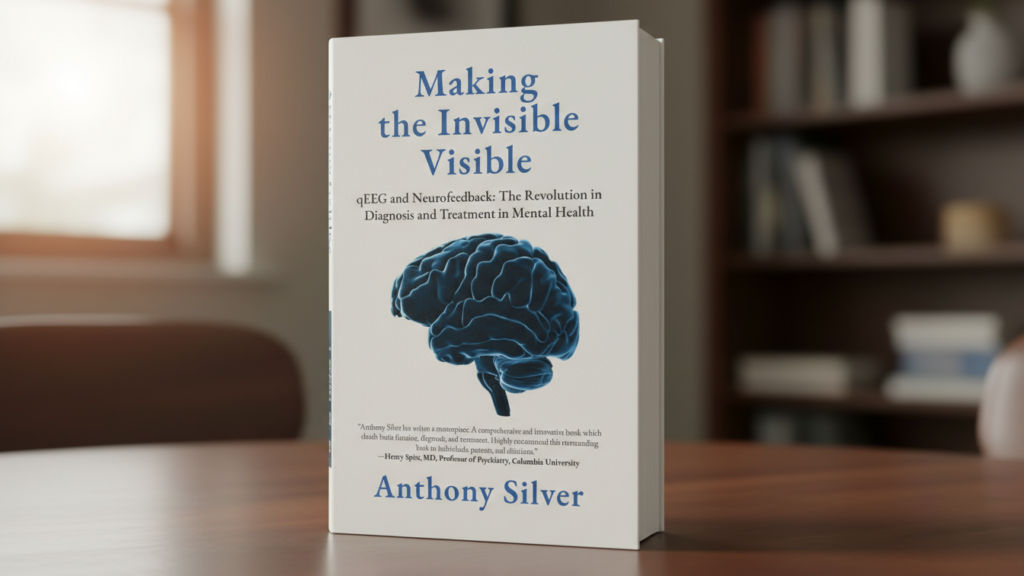
In his book Making the Invisible Visible, Anthony Silver talks about his son’s ADHD diagnosis and how it was determined through “rating scales that describe symptoms, but with little thought as to their cause.” He goes on to question why the most important organ of the body is never clearly investigated. “…the brain is the only organ we continue to treat without examination. This huge flaw in the way we diagnose and treat the brain is now unnecessary. Analysing (“mapping”) brain function using qEEG transforms diagnosis and treatment in mental health, shifting from what was historically (and by necessity) a subjective process to confident decision-making based on real data.”
There’s so much hype surrounding ADHD, but we’re much more interested in looking at how someone is functioning on a day-to-day basis. After all, surely, we have moved beyond simply guessing or pigeon-holing individuals? Likewise, turning to medication should not be the first port of call and in his book, Anthony Silver goes on to talk about how medication was not effective in managing symptoms. “ADHD medication seemed to make things worse. He became increasingly anxious, lost his appetite, and had trouble falling asleep. He had panic attacks and night terrors. To help him sleep, his doctor suggested melatonin. Later, they recommended an SSRI to help with his anxiety.”
We find, these days that a high proportion of clinic sessions are to address the ADHD symptoms plighting client’s lives. These include mood fluctuations, anxiety, fatigue, forgetfulness and impulsivity. We assess brain’s functionality with a brain mapping analytical tool called a qEEG which provides us with information on the brainwave activity, comparing it with a large collection of EEG data from healthy individuals, statistically analysed and organized by age and gender, used as a benchmark to compare an individual’s brainwave activity, revealing functional differences.
With our ability to hear our clients and their needs, coupled with the access we have to a broad range of neurofeedback, we’re able to provide personalised brain training programme which will both regulate and optimise the brainwave activity.
If you or a family member is struggling to concentrate, has an impulsive nature, is forgetful or has a lack of patience, we can help. Symptoms of ADHD can present differently from person to person but with our wealth of experience there is always hope, turning disabilities into difficulties that can be overcome.